
Configuration · Trailer-Only
Trailer-only camera systems for drop & hook operations.
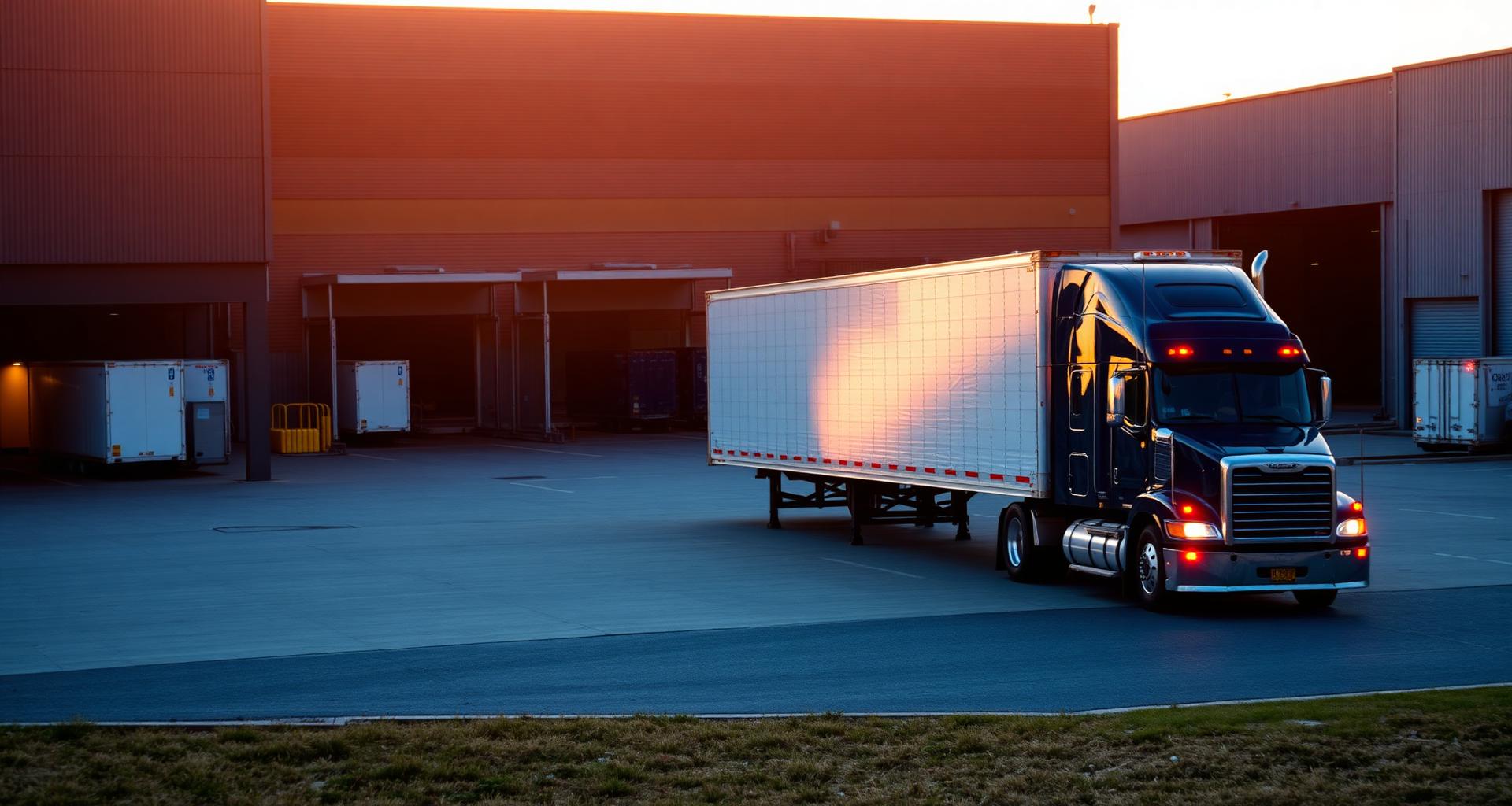
The trailer-only camera configuration designed for semi truck operations where trailers swap between tractors constantly — drop-and-hook freight, dedicated trailer pools, and any operation where permanent cab-to-trailer wiring isn't practical.
Wireless A/V trailer cameras for drop-and-hook operations. Independent trailer recording. Trailer cargo and rear visibility regardless of which tractor is hauling.
Trailer cameras that work when trailers don't stay with one tractor.
A trailer-only camera system addresses the operational reality of drop-and-hook trucking: trailers swap between tractors constantly. A trailer might leave the yard with one tractor in the morning, get dropped at a customer location, and get picked up by a different tractor for the return trip. Permanent cab-to-trailer wiring isn't operationally viable when the trailer-tractor pairing changes multiple times per day.
The system can take two forms depending on operational requirements: wireless A/V cameras on the trailer that pair with whatever tractor is currently hauling (when the tractor is also skEYEvue-equipped), or independent recording units on the trailer itself that capture footage regardless of the tractor.
Either configuration provides trailer cargo visibility, rear backing camera coverage, and incident documentation independent of the specific tractor pairing — supporting the operational reality of drop-and-hook freight without requiring permanent cab-to-trailer infrastructure.
Drop-and-hook and trailer pool operations.
Drop-and-hook freight operations
Long-haul carriers running drop-and-hook freight where trailers stay at customer locations while tractors continue running. Trailer cameras provide cargo monitoring during the drop period, rear backing visibility during pickup, and incident documentation regardless of tractor pairing.
Dedicated trailer pool operations
Operations maintaining trailer pools at strategic locations, with trailers cycling through different tractors and routes. Trailer-mounted cameras provide consistent visibility regardless of which tractor is currently hauling each trailer.
High-value cargo operations
Operations hauling high-value cargo that benefits from trailer-mounted visibility independent of tractor configuration. Pharmaceutical, electronics, automotive, and specialty freight operations frequently use trailer-only camera configurations.
Two configurations for trailer-only camera systems.
Trailer-only camera systems can be configured in two architectures depending on operational requirements: paired wireless (trailer cameras pair with tractor mDVR when paired) or independent (trailer has its own recording unit).
Configuration A: Paired Wireless
When a skEYE-One-equipped tractor connects to the trailer, the wireless cameras pair automatically and stream to the tractor's mDVR. When the trailer is dropped, the cameras stop transmitting (no recording during drop period unless configured otherwise). When picked up by another skEYE-One-equipped tractor, the cameras pair with the new tractor.
Hardware
- • Wireless A/V cameras on the trailer — rear backing, cargo area, side blind-spots as configured
- • Power source — typically the trailer's marker light circuit or auxiliary battery
- • Wireless A/V receiver — installed in any tractor that hauls this trailer (requires skEYE-One mDVR in the tractor)
Configuration B: Independent Trailer Recording
The trailer records continuously regardless of tractor pairing. The trailer appears in the skEYEvue cloud platform as its own "vehicle" with its own dashboard view. Footage is available for review from the trailer's recording independent of any tractor's footage.
Hardware
- • Trailer-mounted recording unit — independent skEYE-One configured for trailer-only operation
- • Cameras on the trailer — wired connections within the trailer, no cab-to-trailer wiring required
- • Power source — auxiliary battery or trailer electrical system
- • Cellular connectivity — built into the trailer-mounted recording unit
Trailer-only camera systems require Complete configurations.
Required package for trailer-only camera systems
Complete (skEYE-One)
Trailer-only configurations require either skEYE-One in the tractor (for paired wireless) or skEYE-One on the trailer itself (for independent recording). The skEYElite hardware doesn't support the wireless A/V or trailer-mounted configurations these operations require.
Typical configuration
Paired wireless: Wireless cameras on trailer + skEYE-One in any tractor that hauls this trailer · Independent trailer: skEYE-One on the trailer with cameras and cellular for autonomous trailer operation
Pricing
Base mDVR hardware from $890 per unit · Trailer cameras, wireless A/V hardware, and full configuration custom-quoted per fleet operation
Alternative packages — none.
Trailer-only camera systems require Complete configurations. The wireless A/V and trailer-mounted configurations can't be supported by Essential, Vision, or Guardian on skEYElite hardware. If your operation doesn't actually require trailer-only camera coverage (most semi truck operations don't), Guardian or Complete on the tractor with cab-mounted cameras may be a more appropriate configuration.
Industries that use trailer-only camera configurations.
What a trailer-only camera system costs.
Trailer-only camera configurations are custom-quoted because the architecture depends on fleet operational requirements (paired wireless vs independent trailer recording) and trailer/tractor counts. Base hardware (skEYE-One mDVR) starts at $890 per unit. Trailer cameras, wireless A/V hardware, mounting and installation, and platform service are quoted per configuration. Drop-and-hook fleet operations typically benefit from custom configuration discussions that account for the specific tractor-trailer ratios in the operation.
Trailer-only camera systems, answered.
Spec a trailer-only camera configuration.
Tell us about your operation — fleet size, tractor-trailer ratios, drop-and-hook patterns, and operational priorities. We'll build a configuration tailored to your specific drop-and-hook operations.